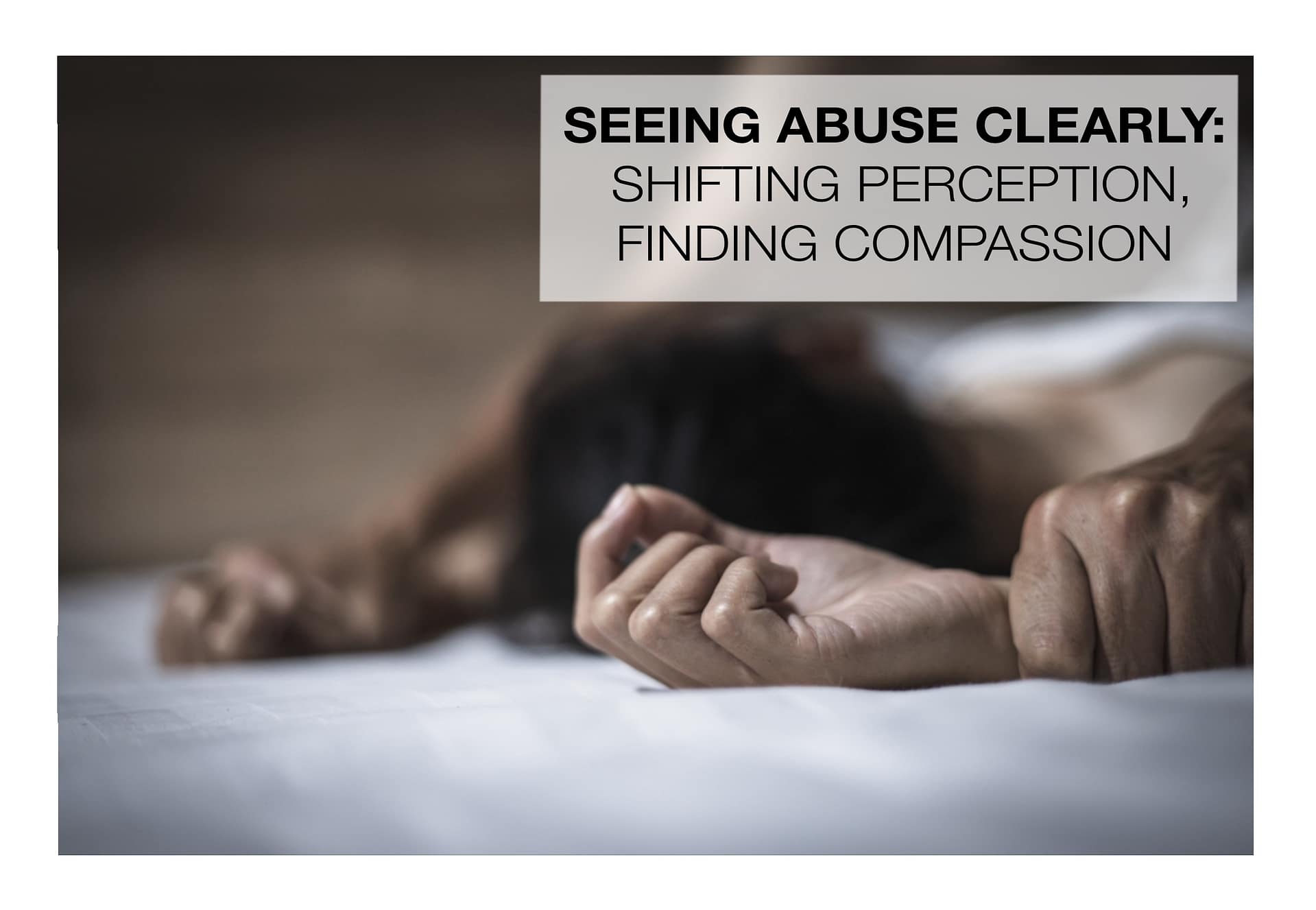
I recently attended a school reunion where; I was struck by memories I had long forgotten. I remembered classmates who showed signs of aggression, but at the time I did not understand why. One student, who manifested aggressive and volatile traits, was rumoured to have been sexually abused by a staff member. Another, expelled for taking out his aggression on other students, had clearly been in deep pain from physical and emotional trauma.
Many years later, at this reunion, I learnt of the suspected abuser’s nature. He had earned their trust, then perpetrated his abuse.
At the time, I didn’t see their struggles. I judged them harshly, dismissing them as aggressive, or difficult. Only later did I realise that their behaviour was not born in a vacuum. They weren’t “aggressors.” They were survivors of trauma, carrying invisible wounds. And with the benefit of years and maturity, I came to feel guilt.
My guilt stems from not recognising this truth sooner. I was young, naïve, ignorant, and quick to judge. Maybe, like the abused, I buried the memories. But guilt also teaches us; it forces us to look again, to ask harder questions, and to grow in empathy.
I also want this article to help others, with fewer years than me, to spot the signs.
Aggression, violence, or withdrawal rarely arise without cause. Was that troubled boy in my memory simply “born bad”? Or was he a child shaped by unbearable experiences? Understanding abuse means recognising that pain often disguises itself as anger, defiance, or even cruelty. Instead of seeing only the outward behaviour, we must learn to ask what wounds lie beneath.
We often perceive abuse through narrow lenses. We call it “rape” when it happens to women, but often soften the language when it happens to men or boys, labelling it merely “abuse.” This framing minimises their suffering and compounds their shame. How many children—whether harmed by family, clergy, coaches, or teachers—remain silent out of fear, shame, or the belief that no one will believe them?
For women, reporting often brings traumatisation in courtrooms where their character is attacked. For men, there often is limited legal action, only the fear of the court of public opinion. Their silence can be even heavier. Society too often refuses to acknowledge male survivors, leaving them stigmatised, isolated, or mocked. Yet the trauma is no less real, and the need for compassion no less urgent.
Survivors deserve recognition—not just of what was done to them, but of their courage in carrying the weight of survival. If we can shift how we perceive abuse, we can change how we respond. Instead of judgment, we should offer compassion. Instead of silence, we can speak the truth. Instead of leaving survivors to suffer alone, we can walk hand in hand with them toward healing.
To anyone reading this who has endured abuse: your pain is real, and it is not your fault. You are not alone. Healing is possible, though the path may not be easy. Seek out someone you trust—a friend, a family member, a counsellor, or a support group. And if you or someone you know is in crisis, please reach out to the National Sexual Assault Hotline at 1-800-656-4673 for confidential support.
Changing society begins with changing how we see. Abuse is not just a story of what was taken—it is also about how we respond, how we carry each other forward, and how we begin to restore what has been broken.
Leave A Comment